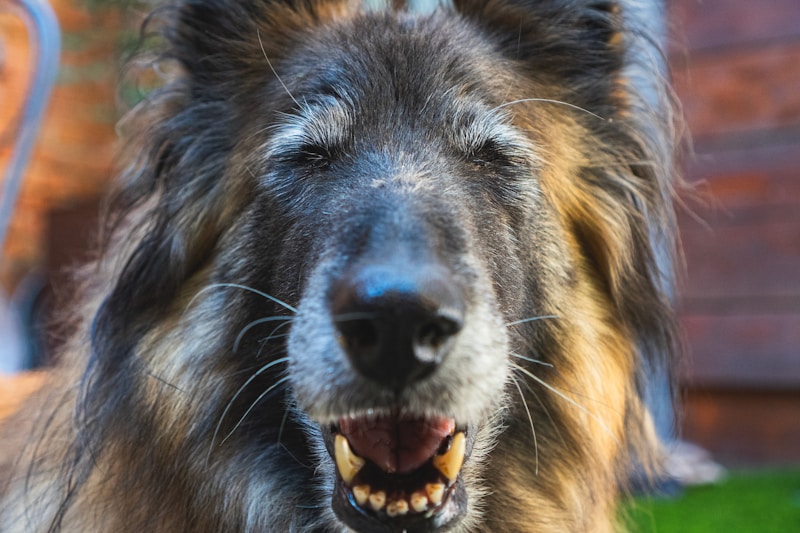
Thanks to advances in veterinary medicine, nutrition, and preventive care, pets are living longer than ever. This guide from Agrinovetec Kenya covers everything you need to know about caring for an aging dog or cat in Nairobi.
When Is a Pet Considered Senior?
The age varies by species, breed, and size. Larger animals age faster:
- Small breed dogs (under 10 kg) — senior at 10-12 years
- Medium to large breed dogs (10-40 kg) — senior at 6-10 years
- Cats — senior at 10-12 years; many live into their late teens or twenties.
Common Age-Related Changes
Knowing your pet's baseline helps distinguish normal aging from medical problems.
Physical Changes
- Greying muzzle, coat changes, and loss of muscle mass
- Weight gain (slower metabolism) or weight loss (underlying disease)
- Dental disease and halitosis
- Arthritis, joint stiffness, and reduced mobility
- Changes in sleep-wake cycles and slower healing
Behavioural Changes
- Sleeping more and reduced interest in play or walks
- Confusion, disorientation, or house-training accidents
- Increased vocalisation, especially at night
- Changes in appetite and social interactions
Veterinary Care for Senior Pets
Senior pets should visit the vet every 6 months. Twice-yearly check-ups enable earlier detection when treatment is most effective.
What a Senior Wellness Exam Includes
- Physical examination, dental check, and joint palpation
- Blood work (CBC and chemistry) and urinalysis
- Blood pressure and thyroid testing
- Weight, body condition, and mobility assessment
- Heart and lung auscultation
Early Detection Saves Lives
Conditions like kidney disease, diabetes, thyroid disorders, arthritis, and cancer are far more manageable when caught early. A senior pet's subtle symptoms — drinking more water, sleeping more, slowing down on walks — are easily dismissed as "just old age" but often signal an underlying condition that can be treated. Never dismiss a symptom as "old age" until your veterinarian has evaluated it.
Nutrition for Senior Pets
Adjusting your pet's diet can improve quality of life and help manage age-related conditions.
- Lower calories, higher protein — seniors need fewer calories but more quality protein to maintain muscle mass.
- Joint supplements — glucosamine, chondroitin, and omega-3s support joint health.
- Easier to chew — wet food or soaked kibble for pets with dental disease.
- Hydration — fresh water and wet food help prevent dehydration.
Comfort and Quality of Life
Simple home adjustments make a profound difference:
- Orthopaedic bedding in multiple locations for pressure relief
- Ramps and non-slip flooring to prevent falls on slippery surfaces
- Elevated bowls to reduce neck and back strain
- Gentle exercise and mental stimulation to maintain mobility and cognitive function
Common Senior Pet Health Conditions
- Arthritis — affects most senior pets. Managed with weight control, joint supplements, pain medications, and physiotherapy.
- Chronic kidney disease — common in older cats. Managed with therapeutic diets and fluid therapy.
- Dental disease — affects over 80% of pets by age 3. Professional cleaning is essential.
- Cognitive dysfunction — similar to Alzheimer's in humans. Diet, enrichment, and medication can help.
- Diabetes and thyroid disorders — manageable with medication and dietary changes.
Palliative Care, Physiotherapy, and Acupuncture
These complementary approaches maximise comfort and quality of life for senior pets:
- Pain management — NSAIDs, gabapentin, and other medications for pain-free mobility.
- Physiotherapy — hydrotherapy, laser therapy, and therapeutic exercises available in Nairobi.
- Acupuncture — safe when performed by a licensed veterinarian; effective for arthritis and chronic pain.
- Mobility assistance — slings, harnesses, and wheelchairs for pets with hind limb weakness.
Hospice Care and Quality of Life Assessment
When cure is no longer possible, hospice care focuses on comfort and dignity. The "HHHHHMM" scale evaluates Hurt, Hunger, Hydration, Hygiene, Happiness, Mobility, and good vs. bad days. Each category scores 1-10; a total below 35 suggests quality of life may be unacceptably poor.
Saying Goodbye — Euthanasia
Euthanasia is a peaceful, painless ending for a pet whose quality of life has declined unacceptably. The veterinarian administers an anaesthetic overdose — the pet loses consciousness within seconds. At-home euthanasia is available through Agrinovetec Kenya. The goal is to make the decision a little too early rather than a day too late.
Grief Support
Allow yourself to mourn — there is no right or wrong way. Consider creating a memorial, talking to friends or support groups, and taking all the time you need before opening your home to another pet.
Cost of Senior Pet Care in Nairobi
Here is a general guide to costs at Agrinovetec Kenya:
- Senior wellness exam (twice yearly) — moderate cost including basic diagnostics
- Blood work — moderate cost, essential for monitoring organ function
- Therapeutic diets and supplements — low to moderate monthly cost
- Dental cleaning — higher cost, needed every 1-2 years
- Diagnostic imaging — moderate to higher cost per procedure
We will always discuss all options, including cost-effective approaches, to help you provide the best care for your senior pet.
Knowing When It Is Time
Quality of life is about whether your pet is comfortable, happy, and able to enjoy the things they love. Your veterinarian can help you assess this objectively and guide you with compassion. You do not have to face it alone.
"Age is not a disease. A senior pet with proper veterinary care, good nutrition, environmental modifications, and a loving home can enjoy months or even years of good quality life. Never assume a symptom is 'just old age' — let your veterinarian evaluate it. Many age-related conditions are treatable, and treating them can restore your pet's quality of life."
Learn About Senior Pet Care
Call +254 708 274 925 to learn how we help aging pets live comfortably and happily.
Learn More