"You are what you eat" applies to your dog too. Proper nutrition affects energy, coat, immunity, and longevity. This guide provides evidence-based advice tailored to Kenyan dog owners.
The Basics of Canine Nutrition
- Protein — for muscle maintenance, immune function, and repair. Sources: chicken, beef, fish, eggs, organ meats. Should make up 18-25% of an adult dog's diet.
- Fats — concentrated energy, provides omega-3 and omega-6 for skin, coat, and brain health. Sources: chicken fat, fish oil, flaxseed oil.
- Carbohydrates — energy and fibre. Sources: rice, maize, sweet potatoes, oats, barley, vegetables.
- Vitamins & Minerals — essential for metabolism, bone health, and enzymes. Commercial diets meet all requirements. Calcium, phosphorus, and zinc are key for puppies.
- Water — the most critical nutrient. Makes up 60-70% of body weight. Must always be available.
Reading Dog Food Labels
- Named protein sources first — look for "chicken meal" or "beef meal," not "meat meal" or "animal by-products."
- Guaranteed analysis — shows minimum protein and fat percentages, maximum fibre and moisture.
- AAFCO/FEDIAF statement — confirms the food is "complete and balanced."
- Life stage — ensure the food matches puppy, adult, or senior needs.
- Avoid artificial additives — skip colours, BHA, BHT, ethoxyquin, propylene glycol.
- Expiry dates — always check; Nairobi's heat accelerates rancidity.
Commercial Dog Food vs. Homemade Diets
Commercial food: Nutritionally complete, convenient, shelf-stable, formulated for life stages, and widely available in Nairobi. Choose brands with named protein sources and a complete-and-balanced statement.
Homemade diets: Require veterinary nutritionist formulation. High risk of deficiencies if not balanced. Can benefit dogs with allergies. Must include vitamin-mineral supplements. Never feed "just meat and rice" long-term.
Warning
An improperly balanced homemade diet can cause bone deformities, heart disease (dilated cardiomyopathy from taurine deficiency), kidney damage, and malnutrition. Always work with a veterinarian to formulate a complete, balanced recipe.
Raw Diet Pros and Cons
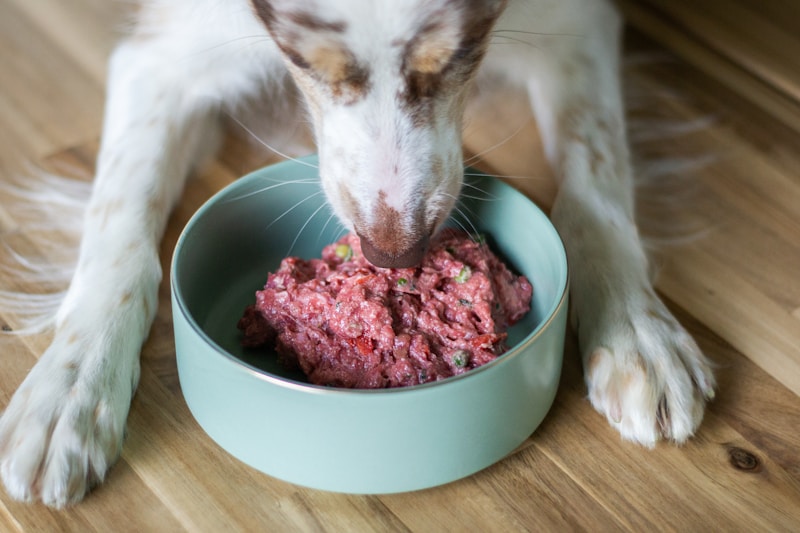
Raw feeding (BARF) proponents cite improved coat and energy, but risks include bacterial contamination (Salmonella, E. coli), nutritional imbalance, bone hazards, and parasites. Our recommendation: Work with a veterinary nutritionist and source from reputable suppliers.
The Grain-Free Debate
True grain allergies are rare — less than 1% of dogs have food allergies, and common triggers are protein sources, not grains. The FDA has investigated a link between grain-free, legume-rich diets and dilated cardiomyopathy. Whole grains provide digestible carbs, fibre, and B vitamins — they are not "fillers." Grain-free diets should only be fed on veterinary advice.
Breed-Specific Nutrition
Large breeds need controlled calcium and phosphorus during growth plus joint supplements. Small breeds have faster metabolisms and benefit from dental-supportive kibble. Breeds prone to heart conditions may need taurine. Flat-faced breeds need easily accessible kibble and strict portion control.
Supplements for Dogs
- Glucosamine and chondroitin — support joint health in large-breed, senior, and arthritic dogs.
- Omega-3 fatty acids (fish oil) — reduce inflammation, support skin and coat health, benefit heart and kidney function.
- Probiotics — support healthy gut microbiome after antibiotic treatment or during dietary transitions.
- Vitamin E — antioxidant supporting immune function, may be needed in homemade diets.
Important: Consult your vet before starting supplements. Over-supplementation can be as harmful as deficiency.
Foods That Are Toxic to Dogs
These common foods must never be fed to dogs:
- Chocolate — contains theobromine and caffeine. Dark chocolate is most dangerous. Can cause vomiting, seizures, and potentially death.
- Grapes and raisins — can cause acute kidney failure even in small amounts.
- Onions and garlic — damage red blood cells, causing haemolytic anaemia. All forms (raw, cooked, powdered) are toxic.
- Xylitol (artificial sweetener) — found in sugar-free gum and some peanut butters. Causes dangerously low blood sugar and potential liver failure.
- Macadamia nuts — cause weakness, vomiting, and hind limb paralysis.
- Alcohol and caffeine — stimulant and alcohol toxicity affecting the heart and nervous system. Even small amounts can be fatal.
- Raw bread dough and mouldy food — dough expands in the stomach and ferments; mould can contain tremorgenic mycotoxins causing seizures.
Feeding by Life Stage
Puppies (up to 12 months)
Puppies need about twice the calories per kilogram of adults, with higher protein (22-32%) and calcium for growth. Small breeds transition to adult food at 9-12 months; large breeds at 12-18 months.
Adults (1-7 years): Feed complete and balanced food twice daily. Maintain a body condition score of 4-5 out of 9. Treats under 10% of daily calories.
Seniors (7+): Lower calories but higher quality protein to prevent muscle loss. Joint supplements and added fibre are beneficial.
Pregnant/nursing: Gradually increase food — a nursing mother may need 2-4 times her normal amount. Feed puppy formula in small, frequent meals.
Homemade Diet Recipes from Veterinary Nutritionists
Every homemade recipe must be individually formulated. Consult a veterinary nutritionist for a customised plan.
Basic template (15 kg adult dog): 225 g cooked lean protein, 150 g cooked carb (rice, sweet potato, oats), 75 g vegetables, 1 tbsp healthy fat (fish oil), and a complete vitamin-mineral supplement. Rotate recipes and add organ meats (5% of diet).
Therapeutic Diets for Medical Conditions
- Kidney disease — reduced phosphorus, controlled protein, added omega-3s. Often requires a prescription diet.
- Weight management — reduced calories, increased fibre, strict portion control. Gradual loss of 1-2% per week under vet supervision.
- Food allergies — novel or hydrolysed protein diet via elimination trial. Common allergens: beef, dairy, chicken.
- Diabetes — high-fibre, complex carb diet timed with insulin injections.
- Pancreatitis — ultra-low fat diet (under 10% dry matter), small frequent meals, often lifelong.
Feeding Tips for Nairobi
- Store dry food in an airtight container — Nairobi's humidity causes mould. Use bags within 4-6 weeks.
- Provide fresh water at all times, changed twice daily. Add ice in warmer months.
- Feed adult dogs twice daily on a regular schedule.
- Avoid table scraps — too high in fat, salt, sugar; can cause pancreatitis and obesity.
- Introduce new foods gradually over 5-7 days.
- Adjust portions seasonally based on activity levels.
How Much Should You Feed?
Feeding guides on packaging are a starting point. Factors include breed, activity, age, neuter status (neutered dogs need 20-30% fewer calories), health conditions, and individual metabolism. Monitor body condition and adjust portions. Your Agrinovetec Kenya vet can help determine the ideal amount.
"The best diet for your dog is nutritionally complete, appropriate for their life stage, and fed in the right quantity. There is no single 'best' brand — what matters is that the food meets your individual dog's needs. When in doubt, ask your veterinarian."
Learn About Dog Nutrition
Call +254 708 274 925 for expert nutritional advice tailored to your dog's needs.
Learn More