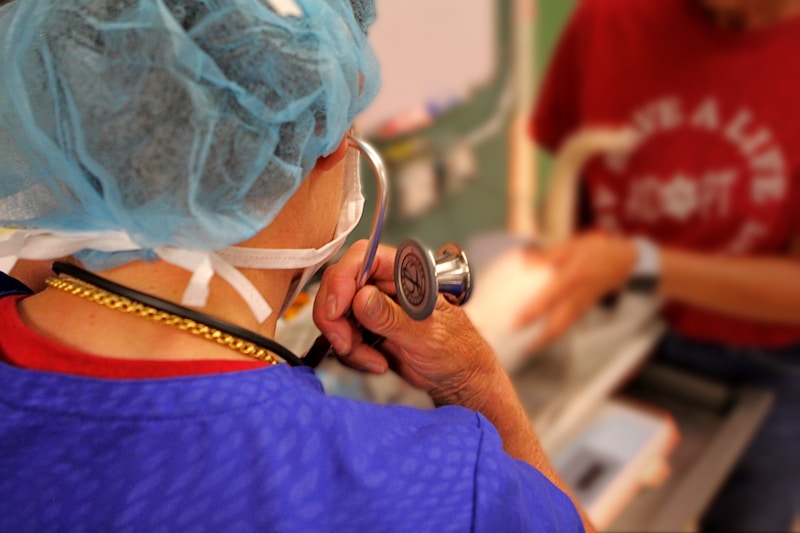
Hearing that your pet needs surgery can be frightening, but understanding the process reduces anxiety. At Agrinovetec Kenya, we walk every pet owner through it step by step.
Key Fact
Modern veterinary anaesthesia is safer than ever — risk of anaesthetic-related death in healthy animals is less than 0.1%, comparable to human anaesthesia.
Before Surgery: Preparation
Pre-Surgical Assessment and Blood Work
Every surgical patient receives a thorough pre-operative examination. Depending on age and health, we recommend blood work to check:
- Complete blood count (CBC): Checks for anaemia, infection, and blood clotting
- Chemistry panel: Evaluates liver and kidney function for processing anaesthesia drugs
- Electrolytes: Ensures proper hydration and metabolic balance
Senior pets may need additional testing such as thyroid levels or chest X-rays.
Types of Anaesthesia Used
We tailor protocols to each patient — injectable anaesthetics for induction, inhalant gas for maintenance, and local anaesthetics plus analgesics to numb areas and prevent pain.
Instructions for You
- Fasting: No food after 8 PM the night before (water usually allowed until morning)
- Medications: Inform us of any medications; some may need to be withheld
- Arrival: Bring your pet early morning; most surgeries are day procedures
The Day of Surgery
Pain Management Protocols
We use a multi-modal approach: pre-emptive analgesia before incision, intra-operative support, and post-operative pain relievers with anti-inflammatory drugs.
Anaesthesia and Monitoring
Throughout the procedure, a dedicated nurse monitors heart rate (ECG), oxygen saturation, blood pressure, respiratory rate, body temperature, anaesthetic depth, and carbon dioxide levels.
The Surgical Procedure
Our surgical suite handles a wide range of procedures under strict sterile protocols. Surgery ranges from 30 minutes for routine procedures to several hours for complex orthopaedic surgery.
After Surgery: Recovery
Immediate Post-Operative Care
Your pet is moved to recovery, kept warm, and monitored as they wake. Pain medication is given beforehand. Most pets are sitting up within 30–60 minutes.
Recovery Timeline
- Day of surgery: Drowsy and wobbly. Offer small water; keep confined.
- Day 1–2: Appetite returns. Offer bland meals; begin oral medications.
- Day 3–5: Strict activity restriction — no running, jumping, or playing.
- Day 7–10: Suture removal follow-up. Incision should be clean.
Incision Care Guide
- Check twice daily for redness, swelling, discharge, or opening of edges
- Keep dry — no bathing or swimming until fully healed
- Prevent licking with an Elizabethan collar or recovery suit
- Do not apply creams or ointments unless prescribed
When to Call the Vet After Surgery
Contact us immediately if you notice: excessive redness or discharge, lethargy beyond 24 hours, appetite loss, vomiting, signs of pain, difficulty urinating, or the incision opening.
Common Surgical Procedures at Agrinovetec Kenya
- Spay and neuter: Routine with quick recovery. Spaying before the first heat cycle reduces mammary cancer risk.
- Lump and tumour removal: Tissue sent for histopathology to determine if benign or malignant.
- Orthopaedic surgery: Fracture repair, cruciate ligament surgery, patellar luxation correction.
- Other: Caesarean section, dental surgery, emergency surgery (bloat, foreign body removal, trauma).
"The most important factor in a successful surgical outcome is the aftercare. Following your veterinarian's post-operative instructions carefully makes a significant difference in how quickly and completely your pet recovers."
— Agrinovetec Kenya Veterinary Team
Need a Surgical Consultation?
Call +254 708 274 925 to book a consultation with our veterinary surgery team.
Learn About Surgery