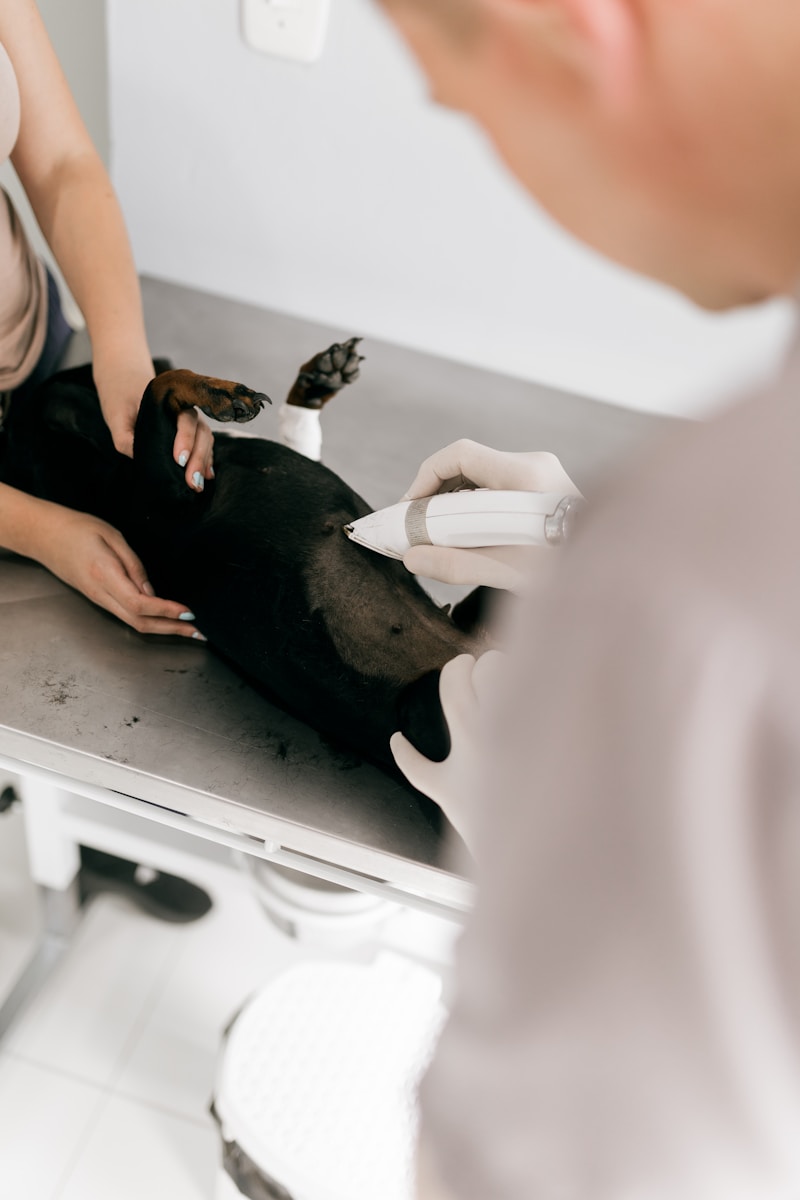
Intestinal worms are common in Kenyan pets and can cause malnutrition, anaemia, and life-threatening blockages. Some transmit to humans, making deworming essential.
Key Fact
Over 85% of puppies in Kenya are born with roundworms from their mother — deworming must start as early as 2 weeks of age.
Common Types of Worms in Kenyan Pets
Roundworms (Toxocara spp.)
Most common parasite in puppies and kittens, resembling spaghetti up to 18 cm. Symptoms: Pot-bellied appearance, poor growth, dull coat, diarrhoea, vomiting. Zoonotic risk: Can cause larva migrans in children.
Hookworms (Ancylostoma spp.)
Attach to intestinal walls and feed on blood — a major cause of anaemia. Symptoms: Pale gums, weakness, dark diarrhoea, weight loss. Larvae can penetrate human skin.
Tapeworms (Dipylidium caninum, Taenia spp.)
Flat segmented worms transmitted through fleas or infected rodents. Rice-grain segments in faeces or around the anus. Symptoms: Scooting, visible segments, increased appetite.
Whipworms (Trichuris vulpis)
Cause chronic diarrhoea, weight loss, and anaemia. Difficult to diagnose without faecal testing.
Heartworms (Dirofilaria immitis)
Mosquito-borne, causing fatal heart and lung disease. Symptoms: Coughing, fatigue, breathing difficulty, collapse. Monthly prevention is safer and more affordable than treatment.
Signs Your Pet May Have Worms
Watch for visible worms in faeces/vomit, pot-bellied appearance, weight loss despite appetite, diarrhoea/vomiting, dull coat, lethargy, anaemia, coughing, or scooting.
Recommended Deworming Schedule
Puppies and Kittens
Every 2 weeks from 2 weeks until 12 weeks, then monthly until 6 months.
Adult Dogs and Cats
Every 3 months (4 times/year). Monthly deworming recommended for hunting dogs, homes with children, recurrent issues, raw-fed pets, or multi-pet households.
Heartworm Prevention
Monthly year-round for all dogs in Kenya. Most preventatives also control some intestinal worms.
Deworming Drug Types Explained
- Praziquantel — effective against tapeworms
- Fenbendazole — treats roundworms, hookworms, whipworms, some tapeworms
- Pyrantel pamoate — effective against roundworms and hookworms
- Milbemycin oxime — roundworms, hookworms, whipworms, heartworm prevention
- Ivermectin — heartworm prevention; not safe for Collies
- Selamectin — topical: heartworms, fleas, ear mites, some intestinal worms
Natural Prevention Tips
Clean up faeces daily, prevent hunting, control fleas/mosquitoes, wash hands, keep living areas clean, provide a balanced diet, avoid raw feeding unless supervised.
Risks of Over-Deworming
Can cause digestive upset and parasite resistance. Follow your vet's schedule and use faecal exams for targeted treatment.
Can Humans Get Worms from Pets?
Yes — children are at highest risk. Regular deworming, hand hygiene, and prompt disposal of faeces are the best prevention.
Deworming at Agrinovetec Kenya
We offer deworming at our Nairobi clinic and mobile unit, using quality-assured products matched to your pet's needs. Our vets create a personalised schedule.
"Many pet owners think deworming is only necessary when they see worms in their pet's stool. By that time, the infestation is already significant. Preventive deworming on a regular schedule is the safest and most effective approach."
— Agrinovetec Kenya Veterinary Team
Learn About Deworming
Call +254 708 274 925 to learn more about deworming treatments at our Nairobi clinic.
Learn More