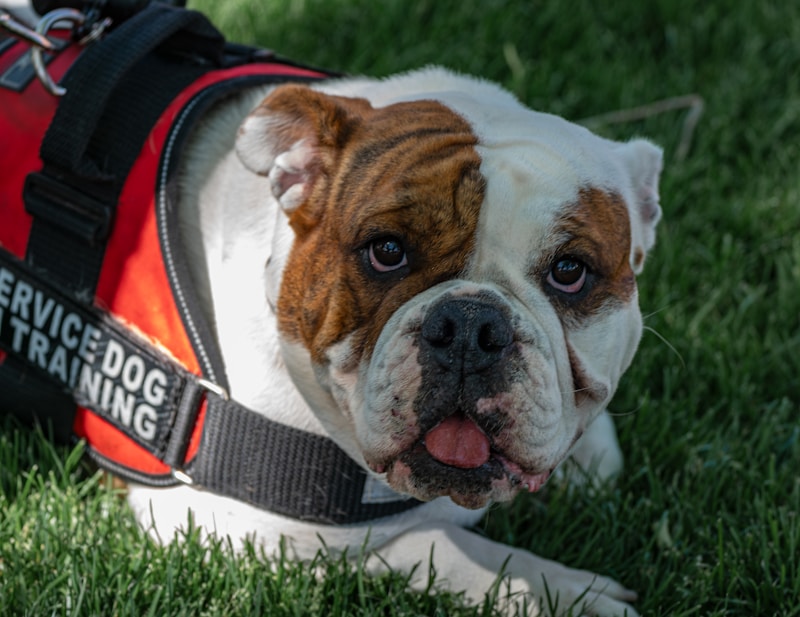
Our pets cannot tell us in words when something is wrong — they communicate through behaviour. A sudden change often signals a medical issue. This guide helps you know when to consult a veterinarian in Nairobi.
Golden Rule
Any sudden behaviour change lasting more than 24-48 hours warrants a veterinary examination. Always rule out a medical cause before assuming it is "bad behaviour."
Behaviour Changes That May Signal a Medical Problem
1. Aggression
Sudden aggression often signals pain. Dental disease, arthritis, or vision loss can cause a gentle pet to snap or bite. A veterinary exam is essential — punishing a pet in pain worsens the behaviour.
2. Excessive Vocalisation
Constant barking, whining, or howling — especially at night — can indicate cognitive dysfunction (sundowning in seniors), pain, separation anxiety, or hyperthyroidism in cats.
3. Changes in Appetite or Thirst
- Increased appetite — may indicate diabetes, hyperthyroidism (cats), or Cushing's disease (dogs).
- Loss of appetite — may indicate dental pain, kidney disease, pancreatitis, or gastrointestinal obstruction.
- Increased thirst and urination — classic signs of diabetes, kidney disease, or pyometra requiring urgent blood and urine testing.
4. House Training Accidents
A house-trained pet that suddenly has accidents needs veterinary attention, not punishment. Possible causes: UTI, bladder stones, kidney disease, diabetes, arthritis, cognitive dysfunction, or feline idiopathic cystitis.
5. Lethargy and Withdrawal
A pet who is suddenly less active, hiding more, or not greeting you may be ill. Cats are particularly prone to hiding when unwell.
Separation Anxiety in Nairobi's Urban Setting
Many Nairobi pets are left alone for long hours, making separation anxiety common.
Signs of Separation Anxiety
Destructive behaviour at exit points, excessive vocalisation, house-soiling, and escaping attempts.
Management Strategies
Counter-conditioning, gradual desensitisation, environmental enrichment, exercise before departure, and anti-anxiety medication or pheromone therapy (Adaptil for dogs, Feliway for cats) for severe cases.
Noise Phobias — Thunder, Fireworks, and Construction
Thunderstorms, fireworks, and construction noise can trigger intense fear in sensitive pets. Signs include trembling, hiding, pacing, and escape attempts. Do not punish — create a safe space instead. Desensitisation using recordings at low volume and veterinary anti-anxiety medication for severe cases are effective approaches.
Resource Guarding
Resource guarding occurs when a pet becomes possessive over food, toys, beds, or people. Signs include growling, snapping, or biting when approached. Never punish growling — it is a warning. Behaviour modification using "trading up" (approaching with a high-value treat and gradually taking the resource) helps reduce guarding.
Leash Reactivity in Dogs
Leash reactivity — barking, lunging, and growling at other dogs or people on walks — is often rooted in fear or poor socialisation. Management includes increasing distance from triggers, using a well-fitted harness, and engage-disengage training where you reward non-reaction and gradually decrease distance.
Puppy Biting and Mouthing
Puppy biting is normal — it is how puppies learn bite inhibition. Problematic biting is intense, accompanied by growling, and does not improve with gentle correction. Provide chew toys, use the "yelp and withdraw" method, and consult a vet if biting is severe.
Cat Aggression Towards People or Other Cats
Understanding the type of cat aggression guides treatment.
Types of Cat Aggression
Play aggression (attacking hands) requires interactive toys. Petting-induced aggression means stopping before the cat's tolerance threshold. Redirected aggression from outdoor stimuli can be managed by blocking views. Inter-cat aggression requires separate resources and Feliway diffusers.
Compulsive and Repetitive Behaviours
Compulsive behaviours — tail chasing, fly snapping, excessive licking (dogs) or over-grooming, wool sucking (cats) — often arise from chronic stress or medical triggers. Treatment involves reducing stressors, enrichment, behaviour modification, and sometimes medication.
When Medication Is Needed
Behavioural medication is not a quick fix — it makes behaviour modification more effective by reducing underlying anxiety. Options include SSRIs (fluoxetine), situational medications (trazodone, gabapentin), and pheromone therapy (Adaptil for dogs, Feliway for cats). All medication must be prescribed by a licensed veterinarian after a thorough examination.
Enrichment Activities for Apartment Pets
Lack of enrichment contributes to behaviour problems in apartment pets.
For Dogs
Food puzzles, scent work, structured "sniffari" walks, and trick training.
For Cats
Vertical space (cat trees), window watching, interactive toys, and puzzle feeders.
Understanding Cat Behaviour Specifically
Cats are masters at hiding illness, making behaviour changes especially important to notice.
Cat Behaviour Red Flags
- Hiding more than usual
- Not using the litter tray
- Urinating on vertical surfaces (spraying)
- Excessive grooming leading to bald patches
- Yowling or increased vocalisation
- Drinking significantly more water
Dog Behaviour Red Flags
- Sudden aggression or fearfulness
- Excessive panting when at rest
- Limping, stiffness, or difficulty rising
- Pacing or restlessness at night
- Excessive licking of paws or body
- Loss of house training
Behavioural vs. Medical Causes
Our approach: rule out medical causes first (examination, blood work, urinalysis, imaging), address the medical issue if found (treating arthritis can eliminate aggression), and if no medical cause is found, develop a behavioural management plan involving training, enrichment, and sometimes medication.
When to Seek Help
Contact us if you notice sudden behaviour change lasting over 48 hours, signs of pain, changes in appetite or thirst, house training regression, new aggression, excessive fear, or any behaviour that worries you.
"A pet's behaviour is their voice. When a normally well-behaved pet suddenly changes, they are trying to tell you something. Never dismiss a behaviour change as 'just being difficult' without a veterinary check-up first."
How Agrinovetec Kenya Can Help
Our team provides compassionate behaviour consultations — physical examination and diagnostic tests to rule out medical causes, then evidence-based guidance on management, enrichment, training, and medication or specialist referral where appropriate.
Learn About Pet Behaviour
Call +254 708 274 925 to learn how we can help you understand what your pet is trying to tell you.
Learn More