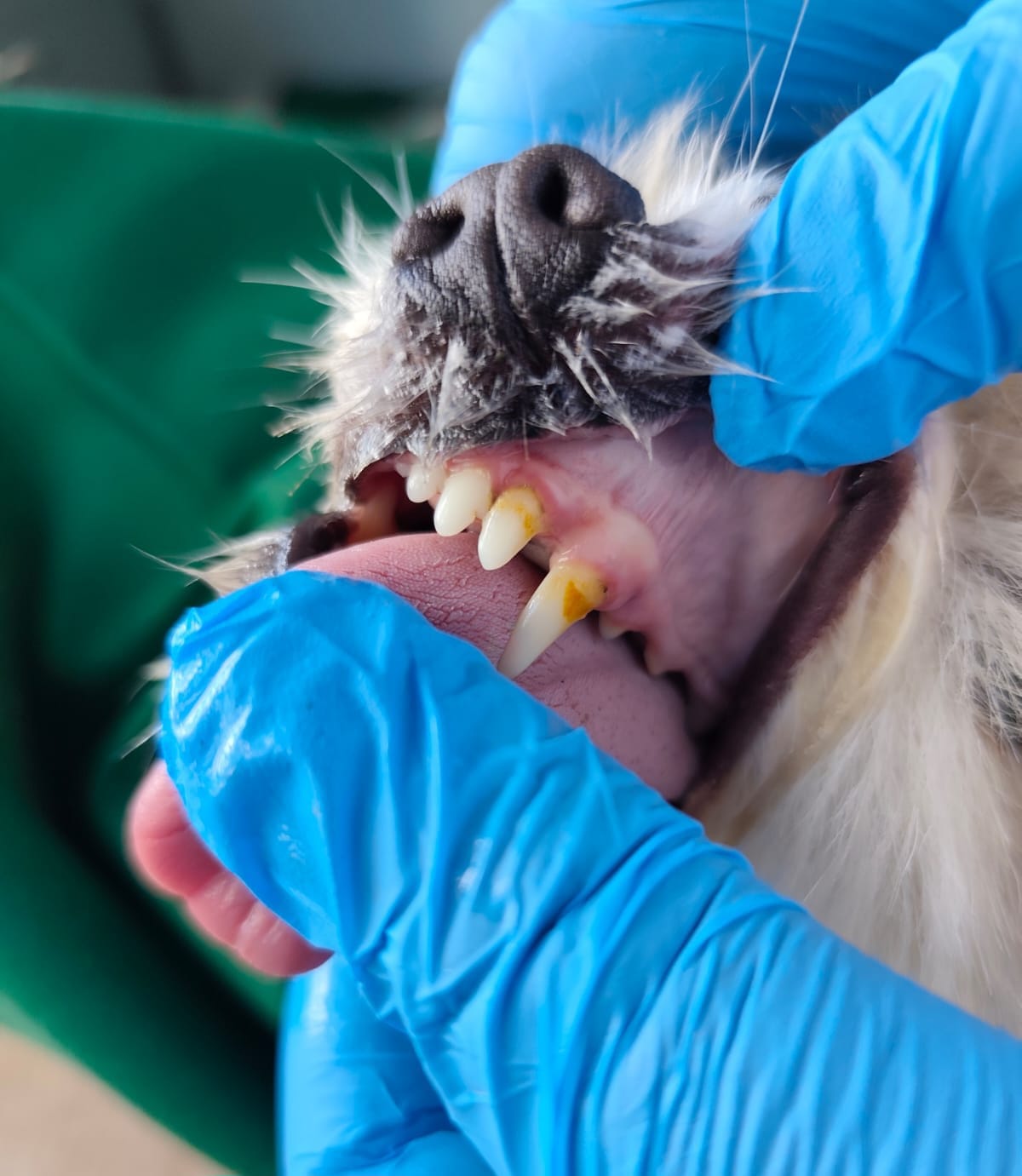
Watching your new puppy go through the teething phase can be stressful. You might notice them chewing everything in sight, drooling, or acting slightly fussy. But a frightening question often pops up in online pet communities: Can teething actually kill a puppy?
The short answer is no. Teething itself does not cause death in puppies. However, there is a major catch every pet parent needs to know.
The Real Hidden Danger
Teething peaks between 12 to 24 weeks of age — the exact window when a puppy's maternal immunity wears off, leaving them vulnerable to deadly infections. If your puppy is showing severe symptoms, it isn't teething — it's worth having a vet take a look.
The "Teething Age" Trap
Teething typically peaks between 12 and 24 weeks of age. Coincidentally, this is exactly when a puppy's maternal immunity (protection from their mother's milk) wanes, leaving them vulnerable to deadly infections and parasites. Even puppies born to vaccinated mothers eventually lose this protection — that is precisely why vaccination schedules exist.
Two major culprits are often to blame when severe symptoms are mistaken for teething:
1. Parvovirus (Parvo)
Parvovirus is a highly contagious virus that attacks a puppy's gastrointestinal tract and can be fatal without prompt treatment. If the mother dog was not properly vaccinated, puppies have little protection. The mortality rate for untreated Parvovirus is very high. Because it strikes at the same age as teething, some owners mistake early Parvo symptoms for teething discomfort — a mistake that can delay life-saving treatment.
2. Intestinal Worms & Pests
Puppies frequently contract hookworms or roundworms through their mother's milk, especially if the mother was not dewormed. As parasites multiply, they can block the digestive system, cause severe vomiting, and lead to anaemia. External pests like fleas and ticks can also transmit diseases that drain a puppy's energy.
Symptoms That Need Veterinary Attention
Normal teething may cause mild irritability or a slight preference for soft foods, but it does not cause severe systemic illness. Contact your vet if your puppy shows:
- Persistent vomiting or foul-smelling diarrhoea (especially if bloody)
- Complete refusal to eat or drink
- High fever or extreme lethargy
- Bleeding from the mouth
If something feels off and you are unsure whether it is teething or something more serious, it is always worth checking with your vet rather than waiting it out.
Prevention Is Key
Because these diseases emerge right when your puppy is teething, staying ahead of them with a consistent preventative health schedule is essential. At Agrinovetec Kenya, we offer comprehensive puppy care services:
- Parvovirus Vaccinations: Build immunity before the virus can strike
- Routine Deworming: Clear out internal parasites to keep their digestive system healthy
- Pest Control: Keep fleas, ticks, and mites off your pet and out of your home
Need Expert Veterinary Advice?
Contact Agrinovetec Kenya today. Call +254 708 274 925 or visit our Nairobi clinic.
Learn More